.avif)

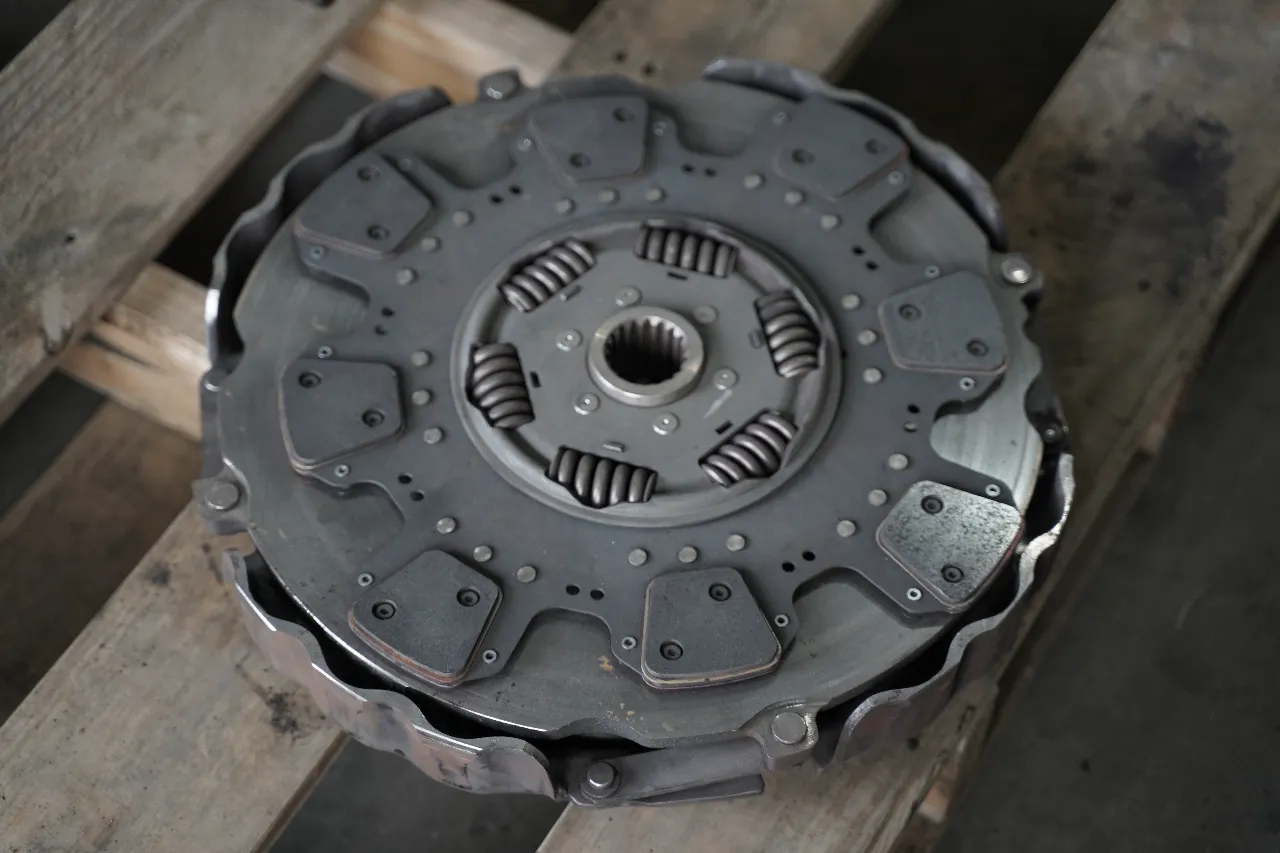
As a fleet manager, the goal is for your fleet to run like a well-oiled machine. When this happens, productivity climbs, and downtime fades into the background. Your clutch system often takes the brunt of daily operations, and it’s one of the most overlooked components in preventive maintenance for heavy-duty trucks.
Preventive clutch maintenance is mission-critical for keeping your fleet rolling efficiently, safely, and profitably.
Clutch Wear Happens Faster Than You Think
In case it wasn’t clear, clutches wear out. When you consider the number of hours spent on the road, it’s no surprise that you’ll experience wear on one of the most vital parts of your rig. The thing is, in fleet operations, they wear out faster due to constant use, heavy loads, and varying driver habits.
Common Causes of Clutch Wear
- Riding the clutch (partial engagement)
- Frequent stop-and-go driving
- Overloading beyond capacity
- Improper shifting techniques
- Heat buildup from friction
The friction in your clutch generates heat, which is the silent killer of your clutch components. Over time, friction materials degrade, pressure plates weaken, and before you know it, you’re dealing with slippage or total failure.
What Happens If You Ignore Clutch Maintenance
You’re busy, and scheduling in downtime for PM doesn’t always seem like the right move. Especially when things seem to be going smoothly. The thing is, skipping fleet clutch maintenance might save you time today, but it’ll cost you big tomorrow.
1. Unplanned Downtime
A failed clutch doesn’t give much warning. When it goes, your truck is sidelined; often in the worst possible place. That means missed deadlines, delayed shipments, and unhappy clients.
2. Expensive Repairs
A worn clutch can damage surrounding components like:
- Flywheels
- Transmission gears
- Driveshafts
Suddenly, what could’ve been a simple adjustment turns into a full-blown heavy-duty transmission repair.
3. Reduced Fuel Efficiency
A slipping clutch wastes power. Your engine works harder, burns more fuel, and delivers less performance, hurting your bottom line with every mile.
4. Safety Risks
A failing clutch can lead to:
- Loss of control during gear changes
- Difficulty climbing grades
- Increased stopping distances
That’s not just bad for business, it’s dangerous.
Key Benefits of Preventive Clutch Maintenance
Here’s where things turn around. Stay ahead of the problem, and your fleet reaps serious rewards.
Improved Fleet Reliability
Regular inspections and adjustments keep your commercial truck clutch system operating smoothly. That means fewer surprises and more predictable performance.
Extended Component Lifespan
Preventative care reduces unnecessary wear, helping your clutch—and surrounding drivetrain parts—last longer.
Lower Operating Costs
Routine maintenance costs a fraction of emergency repairs. It’s the classic “pay a little now or a lot later” scenario.
Better Driver Experience
A properly maintained clutch ensures smoother shifting, less driver fatigue, and improved overall handling.
What Preventive Clutch Maintenance Looks Like
Alright, let’s get practical. What should you actually be doing?
Regular Clutch Inspections
Schedule routine checks to assess:
- Clutch pedal free play
- Engagement point
- Signs of slipping or grabbing
- Unusual noises or vibrations
Clutch Adjustments
Manual clutches require periodic adjustments to maintain proper engagement. If ignored, misalignment can accelerate wear across the entire truck transmission system.
Monitor Driver Habits
Your drivers play a huge role. Training them to:
- Avoid riding the clutch
- Shift properly
- Use correct gearing for loads
…can dramatically reduce wear and tear.
Check Related Components
Your clutch doesn’t work alone. Inspect:
- Flywheel condition
- Hydraulic systems (if equipped)
- Transmission fluid and lubrication
Remember, proper lubrication and system balance are essential for reducing friction and heat buildup in drivetrain components.
Warning Signs Your Clutch Needs Attention
Don’t wait for total failure! Your truck will usually give you hints.
Slipping Gears
If engine RPM rises but speed doesn’t match, your clutch may be slipping.
Burning Smell
That sharp, acrid smell? It’s overheated friction material, never a good sign.
Difficulty Shifting
Hard or grinding shifts often point to clutch disengagement issues.
Soft or Stiff Pedal
Changes in pedal feel can indicate hydraulic or mechanical problems.
Spot any of these? It’s time to act before things escalate.
How Preventive Maintenance Supports Fleet Performance
Let’s zoom out for a second. Your fleet is what keeps your business running. When you prioritize preventive maintenance for diesel trucks, especially clutch care, you:
- Maximize uptime
- Improve delivery reliability
- Reduce long-term repair costs
- Enhance overall operational efficiency
Building a Proactive Maintenance Schedule
Consistency is everything. A solid fleet maintenance schedule should include:
- Routine clutch inspections every service interval
- Driver feedback reports
- Preventative adjustments based on mileage and usage
- Integration with broader drivetrain maintenance
By aligning clutch care with your overall maintenance plan, you create a system that works with your fleet, not against it.
Final Thoughts
At the end of the day, your clutch is one of the hardest-working components in your truck, and one of the easiest to neglect. But here’s the truth: neglect always catches up.
Stay proactive with preventive clutch maintenance, and you’ll keep your fleet running smoother, longer, and more efficiently. Ignore it, and you’re gambling with downtime, repair costs, and safety.
If your fleet is showing signs of clutch wear—or you want to stay ahead of costly breakdowns—now’s the time to act. Schedule a professional clutch inspection with our team at C1 Truck Services in Joliet, IL, and keep your trucks performing at their best mile after mile.
